
Long De Nice Winter Squash: What it is and Its Many Uses.

Some winter squash look built for a centerpiece. Long De Nice looks built for a story. It can grow long and curved like a giant club, with a bulb at one end and a narrow neck at the other. Cut it open, and the surprise is even better: a long stretch of dense, seedless flesh that cooks much like butternut squash, only with its own old-world charm.
Long De Nice winter squash, often called Courge Longue de Nice, is a French heirloom squash from the Nice region. It belongs to the same general cooking family as many sweet, tan-skinned winter squashes. Gardeners value it because it is productive and adaptable. Cooks value it because it gives a lot of usable flesh with very little waste.

What Long De Nice winter squash is
Long De Nice is an heirloom winter squash known for its unusual shape. Instead of the round form of a pumpkin or the compact bell shape of a butternut, it grows long, often with a swollen seed cavity at the blossom end. The long neck is the prize. It contains solid flesh without seeds, which makes it easy to slice, cube, roast, or spiral into rings.
When young, Long De Nice can be picked and cooked like summer squash. At that stage, the skin is tender and the flavor is mild. When left to mature, it becomes a true winter squash. The skin hardens, the color shifts toward warm tan or buff, and the flesh turns deeper orange.
That mature stage is where it shines in the kitchen. The flavor is usually sweet, earthy, and nutty, with a texture that can become smooth and silky when roasted or pureed. If you like butternut squash, kabocha, or cheese pumpkins, Long De Nice will feel familiar but still distinct.
What makes it unique
The first thing that sets Long De Nice apart is its shape. The long neck is more than a novelty. It makes prep easier because most of the seeds sit in one end. With a typical pumpkin, seeds and stringy pulp run through the center. With this squash, the neck gives you clean, solid pieces.
That shape also gives cooks options:
Cut the neck into thick rounds for roasting.
Cube the neck for soups, stews, and gratins.
Split the bulb, scoop the seeds, and roast it like a small pumpkin.
Use the whole squash in stages if it is large.
The second standout feature is flexibility. A gardener can harvest it young for sautéing or let it cure for winter storage. A cook can use it in both savory and sweet dishes. It works with olive oil, garlic, sage, rosemary, chile flakes, maple syrup, brown butter, coconut milk, and warm spices.
The third advantage is yield. Because the neck is mostly flesh, a good Long De Nice can provide a lot of usable squash. That makes it practical for batch cooking. Roast a large tray once, then use the cooked squash throughout the week.

How to choose, store, and prep it
Look for a mature Long De Nice with firm skin, a dry stem if attached, and no soft spots. Scars are not always a problem. Deep cracks, mold, or sunken areas are signs to skip it.
At home, store it in a cool, dry, well-ventilated place. A pantry, basement shelf, or unheated room can work if it stays dry and does not freeze. Avoid the refrigerator for whole winter squash since cold, damp conditions can shorten storage life.
To prep it, start with the right knife and a stable cutting board. Long squash can roll, so steady it with a towel if needed.
A simple prep method:
Trim off the stem end if needed.
Separate the long neck from the bulb.
Cut the neck into rounds or lengthwise planks.
Halve the bulb and scoop out the seeds.
Peel before cooking if the recipe needs cubes, or roast with the skin on and scoop the flesh later.
For many recipes, roasting first is the easiest path. The skin softens, the flesh sweetens, and the squash becomes simple to mash or blend.
The best ways to cook Long De Nice
Long De Nice can handle most winter squash cooking methods, but a few bring out its best flavor.
Roast it for the deepest flavor
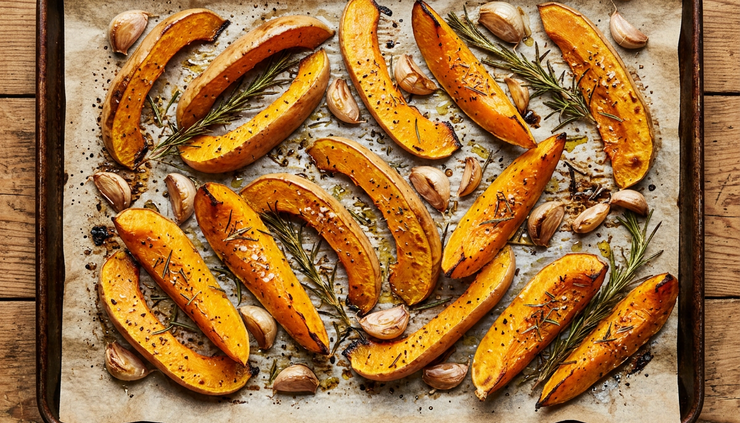
Roasting is the best starting point. Heat the oven to 400°F. Cut the squash into wedges, rounds, or large chunks. Toss with olive oil, kosher salt, and black pepper. Roast until the edges brown and the flesh is tender.
For a savory version, add sage, thyme, rosemary, garlic cloves, or smoked paprika. For a sweeter side dish, add a light drizzle of maple syrup during the last part of cooking.
Roasted Long De Nice is excellent with:
Roast chicken or pork
Grain bowls with farro or brown rice
Bitter greens like kale or radicchio
Lentils, chickpeas, or white beans
Toasted nuts and crumbled feta or goat cheese
Turn it into soup
Long De Nice makes a smooth, rich soup without much effort. Roast or simmer the squash until tender, then blend it with broth. Add sautéed onion, garlic, and a pinch of nutmeg or curry powder. You can also treat sage leaves like you would a bay leaf by letting the whole leaves (2-3) simmer for a bit and then remove them.
For creaminess, use heavy cream, coconut milk, or a spoonful of plain yogurt at the end. If the soup tastes flat, add a splash of apple cider vinegar or lemon juice. That little bit of acid wakes up the sweetness. This type of soup can be served warm or cold.
Mash it or puree it
The flesh purees beautifully. Use it anywhere you would use butternut squash puree. Mash it with butter, salt, and a little brown sugar for a holiday side. Blend it into pasta sauce with Parmesan and sage. Fold it into risotto near the end of cooking.
For baking, cooked squash puree can work in muffins, quick breads, pies, and pancakes. Since squash moisture varies, drain watery puree through a fine mesh strainer or cook it down gently before using it in baked goods.
Because they are large, you can get a lot of puree from one squash. When you have extra, freeze it in ice cube trays and then transfer it into a freezer bag so you can pull out the amount you need when you need it! These cubes make them super easy to sneak some veggies into a smoothie.
Add it to stews and gratins
Cubed Long De Nice holds up well in slow-cooked dishes. Add it to bean stews, vegetable curries, chili, or braised greens. It will soften and absorb flavor while adding body.
For a gratin, layer thin slices with cream, garlic, salt, pepper, and a little Gruyère or Parmesan. Bake until bubbling and tender. The long neck is perfect for this because it slices into even rounds.
A simple roasted Long De Nice method
If you are cooking it for the first time, keep it simple.
Heat the oven to 400°F. Cut the neck into 1-inch rounds and halve the bulb. Scoop out the seeds. Brush everything with olive oil, then season with salt, pepper, and chopped rosemary or sage.
Roast the rounds for about 25 to 35 minutes, depending on thickness. Roast the bulb halves until tender, which may take longer. The squash is ready when a fork slides in easily and the edges are lightly browned.
Serve the rounds as a side dish, or scoop the flesh and mash it with butter. Save leftovers for soup, pasta, tacos, or breakfast hash (or freeze it!).

The takeaway
Long De Nice is more than an unusual-looking squash. Its long, seedless neck, sweet orange flesh, and flexible harvest window make it one of the most useful heirloom winter squashes in the kitchen. Treat it like a flavorful cousin of butternut: roast it first, season it well, and let its natural sweetness do most of the work.
When it is in season, bring it home. Start with roasted wedges, then use the leftovers in soup, mash, pasta, or stew. One squash can easily become several good meals.


Comments